
Non-Surgical Periodontal Therapy
Scaling and Root Planing Treatment
A deep cleaning procedure designed to stop gum disease and restore healthy gums.
Scaling and root planing is a conservative, non-surgical treatment used to manage mild to moderate periodontal disease. This thorough deep cleaning removes harmful bacteria, plaque, and tartar from below the gum line to reduce inflammation and support long-term gum health.
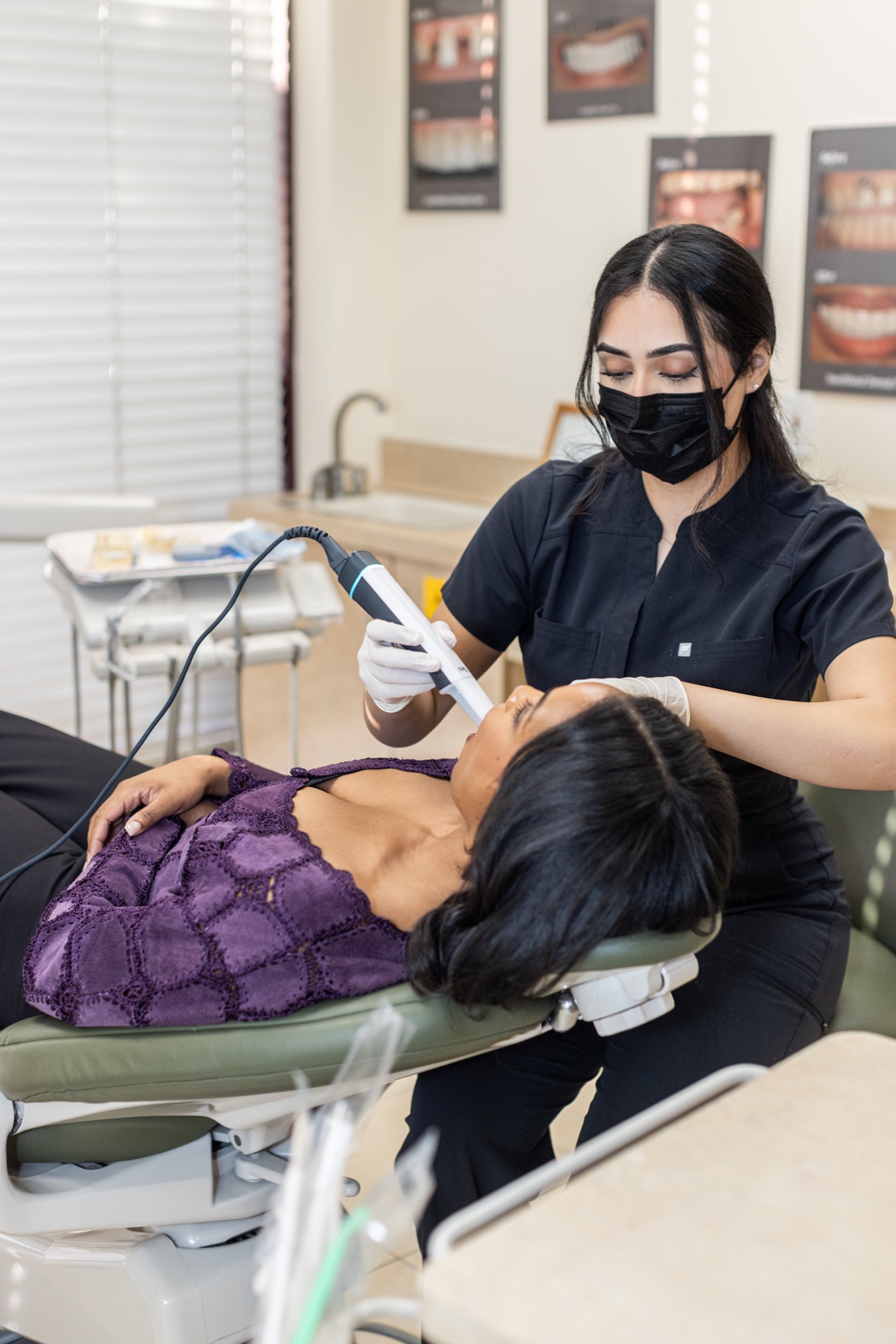
All About Scaling & Root Planing
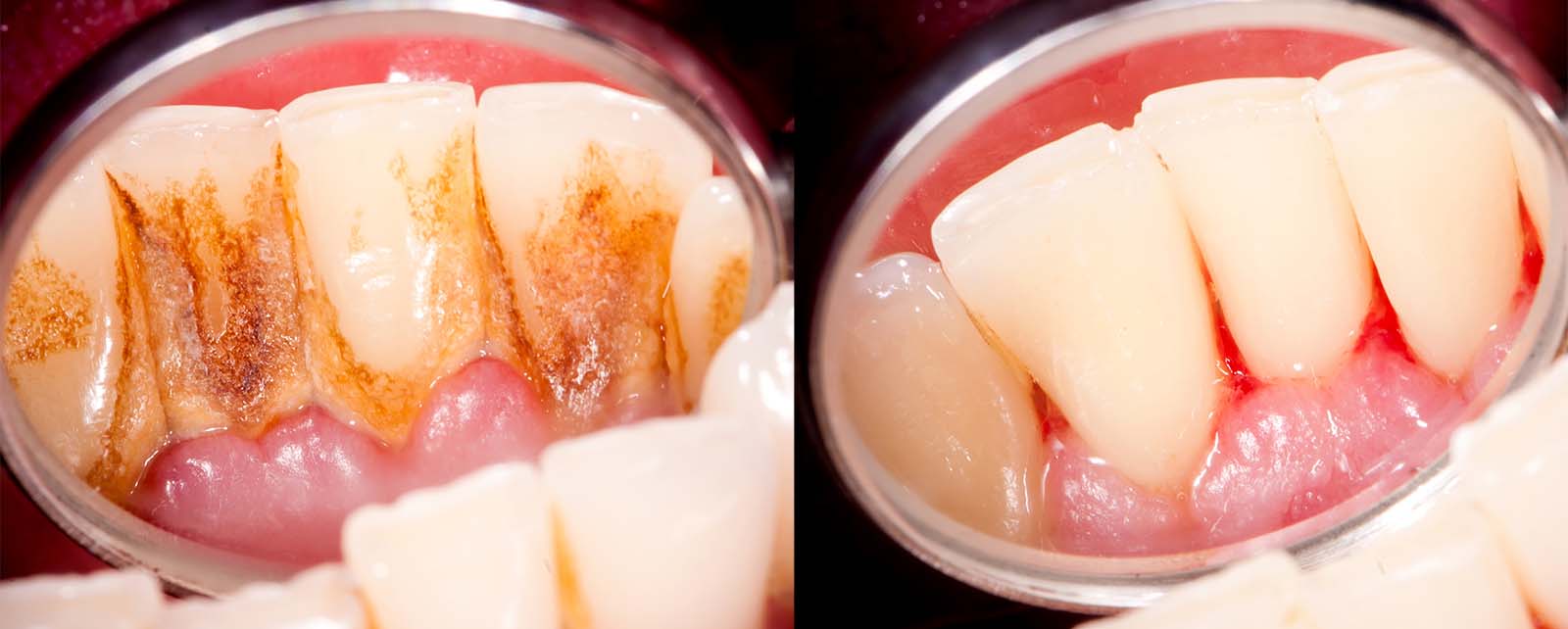
Scaling and root planing is one of the most effective early treatments for gum disease. When plaque and tartar accumulate beneath the gum line, they can irritate the tissue and cause infection. This procedure removes those deposits and smooths the root surfaces, making it more difficult for bacteria to attach again.
How It Works
- Scaling Removes plaque and hardened calculus (tartar) from the tooth surfaces, especially below the gum line.
- Root planing Smooths the root surfaces to eliminate rough areas where bacteria tend to collect.
By cleaning beneath the gum tissue and smoothing the roots, inflammation is reduced and the gums can begin to heal and reattach to the teeth.
When Is Scaling and Root Planing Needed?
This treatment is commonly recommended for patients with gingivitis or early to moderate periodontitis. In mild cases, it may be completed in a single visit. More advanced cases may require multiple appointments to thoroughly treat each area of the mouth.
- Bleeding gums when brushing or flossing
- Swollen or tender gums
- Persistent bad breath
- Deep periodontal pockets
Tools & Techniques Used
The procedure is performed using a combination of advanced instruments designed for precision and comfort.
- Ultrasonic scalers to remove larger deposits of plaque and calculus
- Hand instruments such as scalers and curettes for detailed root smoothing
Because plaque and tartar below the gum line are not visible, the dental professional relies on precision instruments and tactile sensitivity to ensure the roots are thoroughly cleaned and smoothed.
What to Expect After Treatment
Mild sensitivity or soreness may occur for a few days following treatment. With proper oral hygiene and routine maintenance visits, scaling and root planing can significantly slow or stop the progression of gum disease.
At Southland Dental Care, scaling and root planing is carefully performed to protect your natural teeth and support long-term periodontal stability.
The short answer
Scaling and root planing is a non-surgical deep cleaning that treats mild to moderate gum disease. Scaling removes plaque and hardened tartar from the teeth, especially below the gum line, and root planing smooths the root surfaces so bacteria cannot easily reattach. This reduces inflammation and helps the gums heal and reattach to the teeth.
Scaling and Root Planing FAQ
- Is scaling and root planing painful?
- The procedure is typically performed with local anesthesia to keep you comfortable. Mild soreness or sensitivity afterward is common but temporary, usually lasting a few days. Good home care during that time helps the gums settle.
- How is this different from a regular cleaning?
- A regular cleaning focuses on the visible tooth surfaces. Scaling and root planing cleans beneath the gum line and smooths the root surfaces, removing the deposits that cause infection. Smoother roots make it harder for bacteria to attach again.
- How long does the treatment take?
- It depends on the severity of the gum disease. Mild cases may be completed in a single visit, while more advanced cases are divided into multiple appointments so each area of the mouth is treated thoroughly. Your periodontist explains the plan before you start.
- Will my gums grow back after treatment?
- Lost gum tissue does not regenerate naturally. However, inflammation subsides and the gums may tighten as they heal and reattach to the teeth. If recession remains a concern, other treatments can be discussed.
- Can scaling and root planing cure gum disease?
- It can effectively manage and control early to moderate gum disease when combined with good oral hygiene and maintenance care. With routine maintenance visits, it can significantly slow or stop the progression of the disease. More advanced cases may need additional treatment.
- Do I need antibiotics?
- Not always. In some cases, localized antibiotic therapy may be recommended, depending on the severity of the infection. Your periodontist decides based on what the examination shows.
- How do I maintain results?
- Daily brushing and flossing, together with regular periodontal maintenance visits, are essential to prevent recurrence. Plaque begins forming again soon after cleaning, so consistent care matters. Maintenance visits remove it before it can cause new inflammation.
- Who is a candidate?
- Patients with gingivitis or early to moderate periodontitis are common candidates. Signs include bleeding gums, swollen or tender gums, persistent bad breath and deep periodontal pockets. An evaluation measures the pockets to confirm the treatment is right for you.
Google reviews
What patients say on Google


Questions about your treatment
Talk it through
with the doctors
A page can explain a treatment. A consultation tells you whether it is right for your teeth, gums and bone, with a written plan and price.
4312 Woodman Ave, Suite 100
Sherman Oaks, CA 91423
Mon – Fri: 9AM – 6PM
Free parking on site