
Cosmetic Periodontal Care
Gum Whitening Treatment
Remove dark pigmentation and brighten your smile with safe, precise gum bleaching.
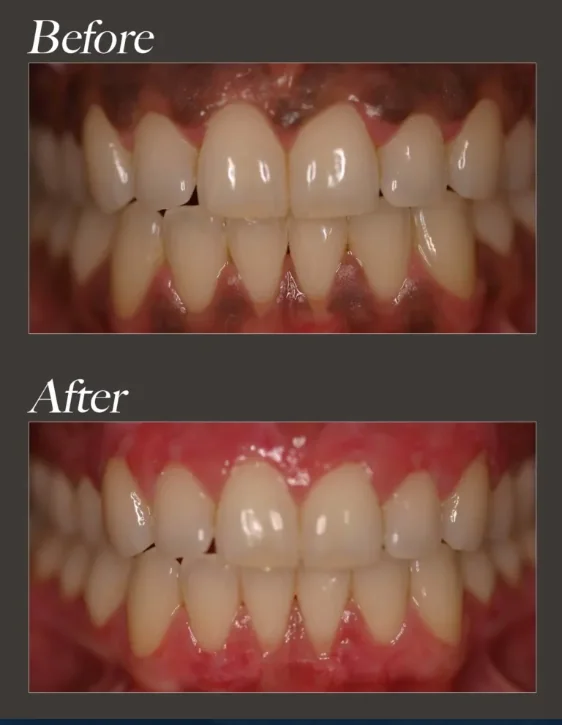
Gum whitening, also called gum bleaching or depigmentation, lightens dark spots and uneven pigmentation on the gums. Using advanced laser or microdermabrasion techniques, this cosmetic procedure enhances the appearance of your smile by revealing healthier-looking pink gum tissue.
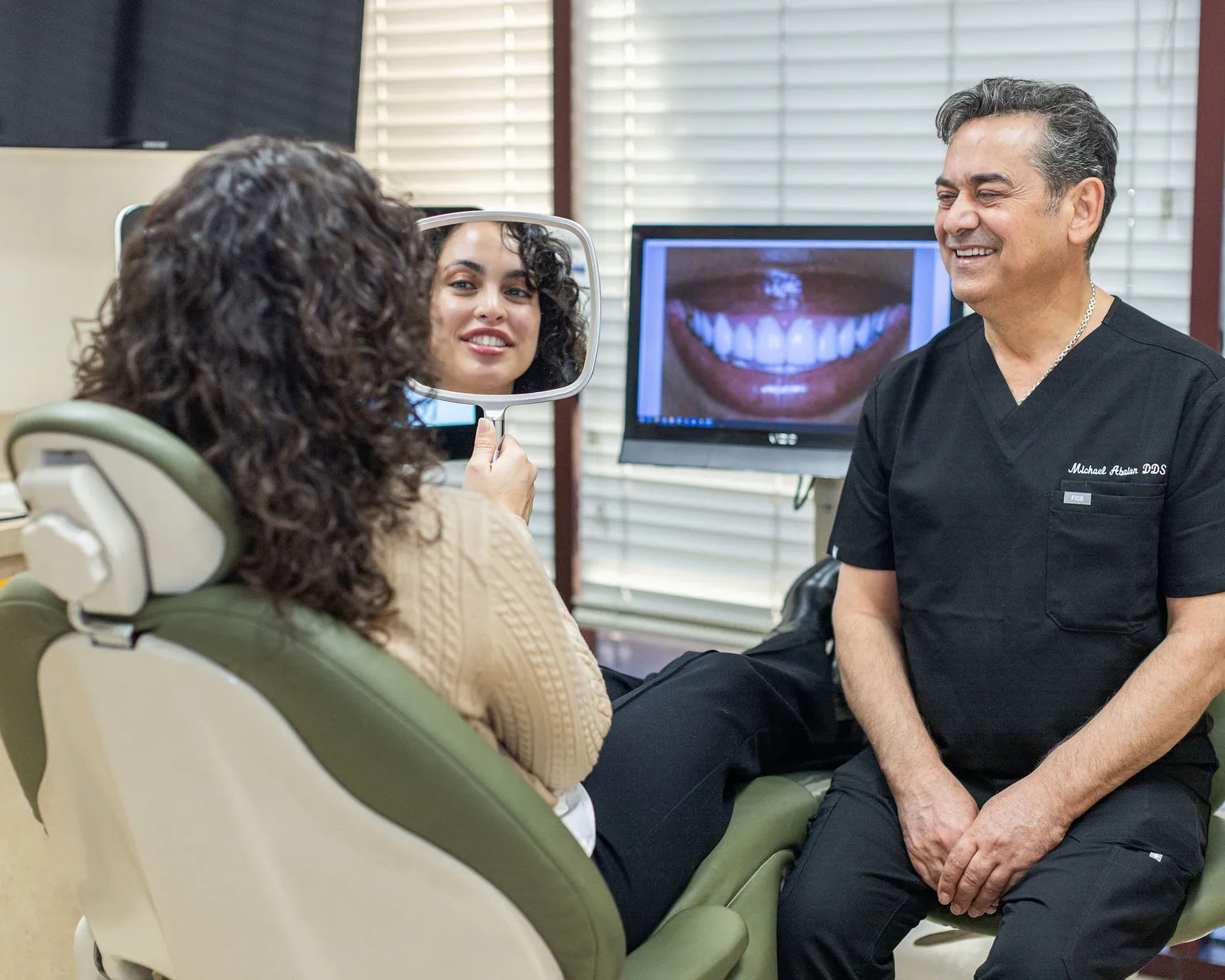
What Is Gum Whitening?
Gum discoloration is often caused by excess melanin, genetics, smoking, certain medications, or previous inflammation. While darker gums are not typically a health concern, many patients choose treatment to achieve a more balanced and aesthetically pleasing smile.
Gum whitening is a cosmetic periodontal procedure that removes the outer layer of pigmented gum tissue, revealing lighter, healthier-looking tissue underneath.
How the Procedure Works
- Consultation An evaluation determines the cause of pigmentation and confirms you are a candidate.
- Comfort preparation A local anesthetic is applied to ensure a comfortable experience.
- Laser or microdermabrasion treatment The outer pigmented layer is gently removed with precision.
- Immediate results Patients typically notice visibly lighter gums right after treatment.
The procedure usually takes 20 to 45 minutes. Most patients return to normal activities the same day, with minimal discomfort and a short healing period.
Benefits of Gum Bleaching
- Instant cosmetic improvement
- More uniform, pink gum appearance
- Minimally invasive treatment
- Little to no downtime
- Long-lasting results in most cases
Causes of Gum Discoloration
- Melanin pigmentation Naturally darker gum tone due to genetics.
- Smoking Tobacco use can darken gum tissue.
- Medications Certain medications may cause pigmentation changes.
- Inflammation Gum disease or irritation can alter gum color.
As long as no underlying health condition is present, gum whitening is considered a safe cosmetic option to enhance the overall harmony of your smile.
At Southland Dental Care, each gum whitening treatment is customized to ensure natural-looking results that complement your teeth and facial features.
The short answer
Gum whitening, also called gum bleaching or depigmentation, is a cosmetic periodontal procedure that lightens dark spots and uneven pigmentation on the gums. A laser or microdermabrasion removes the outer pigmented layer, revealing lighter pink tissue underneath. The procedure usually takes 20 to 45 minutes, with visibly lighter gums right away.
Gum Whitening FAQ
- Is gum whitening safe?
- Yes. When performed by a trained periodontal professional, gum bleaching is a safe cosmetic procedure designed to improve the appearance of the gums. A consultation first confirms that the pigmentation is cosmetic and that no underlying health condition is present. Treatment then removes only the outer pigmented layer of tissue.
- Is the procedure painful?
- A local anesthetic is applied to keep you comfortable. Most patients report minimal discomfort during and after treatment. The procedure is minimally invasive, with little to no downtime.
- How long does gum whitening take?
- The procedure typically takes 20 to 45 minutes, depending on the extent of pigmentation. Patients usually notice visibly lighter gums right after treatment. Most return to normal activities the same day.
- How long is the recovery?
- Healing usually takes a few days to a week. Most patients resume normal activities immediately. Your periodontist explains how to care for the gums while they heal.
- Are the results permanent?
- Results are long-lasting in most cases. Some patients may need touch-ups, depending on their pigmentation pattern. Habits such as smoking can darken gum tissue again, so they affect how long results last.
- Is gum bleaching covered by insurance?
- Because gum whitening is considered cosmetic, insurance plans typically do not cover it. The cost is explained at your consultation before treatment. Financing options may help spread the cost.
- Who is a candidate for gum whitening?
- Patients with healthy gums who are bothered by dark spots or uneven pigmentation are generally good candidates. Darker gums from melanin, genetics, smoking or certain medications can often be lightened. If gum disease is present, it is treated before any cosmetic procedure.
- How do I know if my discoloration is cosmetic?
- A consultation determines whether the pigmentation is cosmetic or related to an underlying condition that needs treatment. Darker gums are not typically a health concern, but inflammation from gum disease can also change gum color. Identifying the cause comes first.
Google reviews
What patients say on Google


Questions about your treatment
Talk it through
with the doctors
A page can explain a treatment. A consultation tells you whether it is right for your teeth, gums and bone, with a written plan and price.
4312 Woodman Ave, Suite 100
Sherman Oaks, CA 91423
Mon – Fri: 9AM – 6PM
Free parking on site