
Jaw Pain & Bite Therapy
Jaw Pain & TMJ Treatment
Relieve jaw tension, headaches, and bite discomfort with personalized TMJ care.
TMJ treatment focuses on correcting dysfunction of the temporomandibular joint—the hinge connecting your jaw to your skull. By identifying the root cause of discomfort, we create customized treatment plans designed to restore comfort, improve function, and protect long-term oral health.
How TMJ Affects Your Overall Health
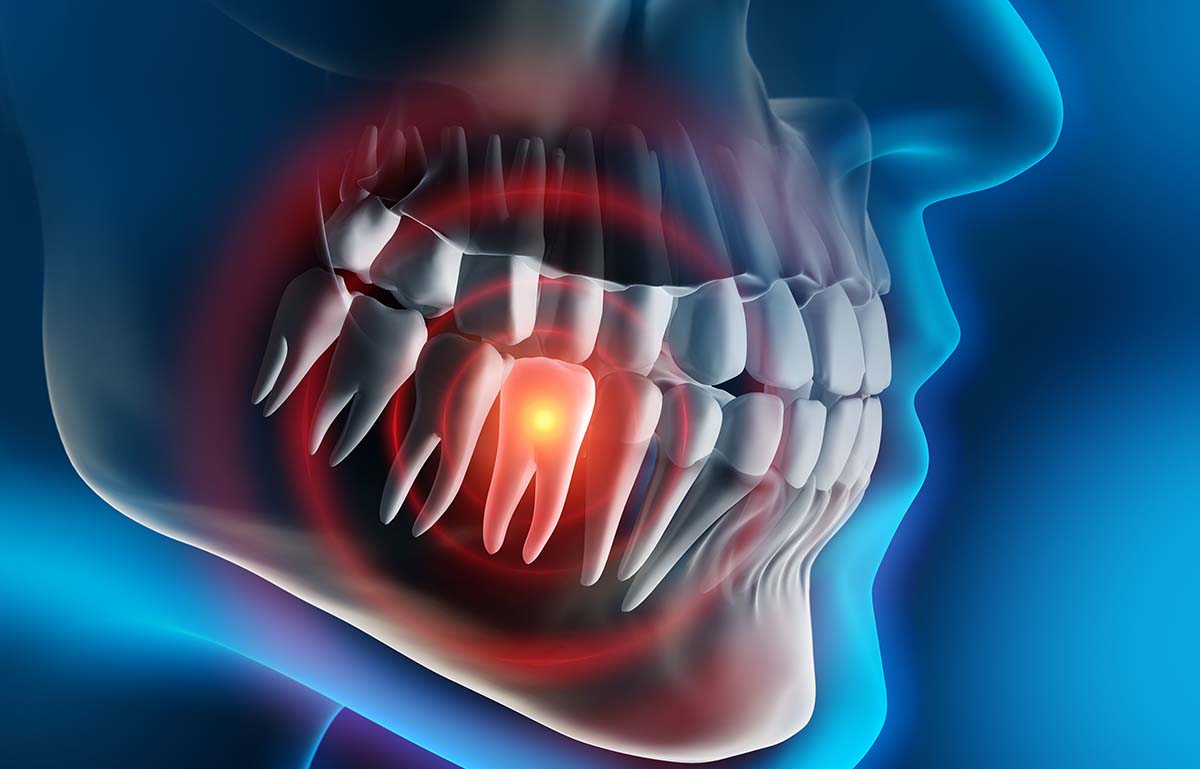
The temporomandibular joint (TMJ) allows your jaw to open, close, and move smoothly from side to side. When this joint becomes strained due to injury, grinding, stress, or bite imbalance, it can lead to temporomandibular disorder (TMD).
TMJ dysfunction may cause symptoms that extend beyond the jaw, affecting daily comfort and overall well-being.
- Tension headaches or migraines
- Neck and shoulder discomfort
- Ear pain or fullness
- Sore or tight jaw muscles
- Clicking, popping, or locking of the jaw
What Causes TMJ Disorders?
- Teeth grinding (bruxism) Repetitive clenching places excessive pressure on the joint.
- Stress-related muscle tension Tight muscles strain jaw movement (see Botox for TMJ).
- Bite misalignment (malocclusion) Improper tooth contact disrupts joint balance.
- Jaw injury or trauma Damage can affect joint mechanics.
Occlusal Adjustment & Bite Therapy
Occlusal adjustment involves carefully reshaping specific tooth surfaces to improve bite alignment. When teeth do not fit together properly, uneven pressure can strain the TMJ and surrounding muscles.
- Improves bite balance Reduces uneven pressure on the jaw joint.
- Protects dental restorations Helps prevent damage to crowns, veneers, bridges, and implants.
- Relieves muscle strain Minimizes tension contributing to pain and headaches.
- Enhances chewing efficiency Allows teeth to function harmoniously.
Why Bite Alignment Matters
Malocclusion not only affects jaw comfort but can also compromise cosmetic and restorative dental treatments. If bite imbalance is left untreated, it may increase wear, stress dental work, and accelerate tooth damage. Addressing alignment concerns early helps protect both your oral health and your long-term dental investment.
At Southland Dental Care, TMJ treatment is focused on restoring harmony between the teeth, muscles, and joints—so your smile functions as beautifully as it looks.
The short answer
TMJ treatment relieves dysfunction of the temporomandibular joint, the hinge that connects the jaw to the skull. Strain from grinding, stress, bite misalignment or injury can cause jaw pain, headaches and clicking, known as temporomandibular disorder (TMD). Care may include occlusal adjustment to balance the bite and a custom night guard for grinding.
Jaw Pain & TMJ FAQ
- What is TMD?
- TMD stands for temporomandibular disorder, a condition affecting the jaw joint and the surrounding muscles. It develops when the joint is strained by injury, grinding, stress or bite imbalance. Symptoms include jaw pain, headaches and clicking or locking of the jaw.
- Can TMJ cause headaches?
- Yes. Jaw muscle tension and joint strain frequently contribute to tension headaches and facial pain. Some patients also notice ear pain or a feeling of fullness. Treating the cause of the strain can ease these symptoms.
- Is occlusal adjustment painful?
- No. Occlusal adjustment is a conservative procedure that carefully reshapes specific tooth surfaces to improve how the teeth fit together. It is performed to maintain comfort while improving alignment. The goal is to even out the pressure on the jaw joint.
- Will TMJ treatment help my neck pain?
- In many cases, relieving jaw strain can reduce related muscle tension in the neck and shoulders. TMJ dysfunction often causes symptoms that extend beyond the jaw. Your evaluation looks at the whole pattern of symptoms.
- Do I need a night guard?
- If grinding or clenching is present, a custom night guard may be recommended to reduce pressure on the joint. Grinding places repetitive, excessive force on the TMJ. A guard also protects your teeth and dental work from wear.
- Is TMJ treatment permanent?
- Results depend on the underlying cause. Many patients experience significant long-term relief with proper therapy and maintenance. Addressing grinding, stress or bite imbalance helps keep symptoms from returning.
- Can TMJ affect dental implants or veneers?
- Yes. Bite imbalance can place excess stress on restorations and accelerate wear. That is why proper alignment matters before and after cosmetic or restorative work. Correcting the bite helps protect your long-term dental investment.
- When should I seek evaluation?
- Seek an evaluation if you have persistent jaw pain, headaches, clicking or difficulty chewing. A professional assessment determines the cause and the appropriate treatment. Addressing alignment concerns early helps prevent further wear on the teeth.
Google reviews
What patients say on Google


Questions about your treatment
Talk it through
with the doctors
A page can explain a treatment. A consultation tells you whether it is right for your teeth, gums and bone, with a written plan and price.
4312 Woodman Ave, Suite 100
Sherman Oaks, CA 91423
Mon – Fri: 9AM – 6PM
Free parking on site