
Tooth Extraction & Bone Protection
Ridge Preservation Treatment
Protect your jawbone immediately after extraction and maintain long-term stability.
Ridge preservation is performed at the time of tooth extraction to prevent bone collapse and maintain the natural contour of the jaw. By stabilizing the socket early, this procedure helps reduce future complications and prepares the area for dental implants or other restorations.
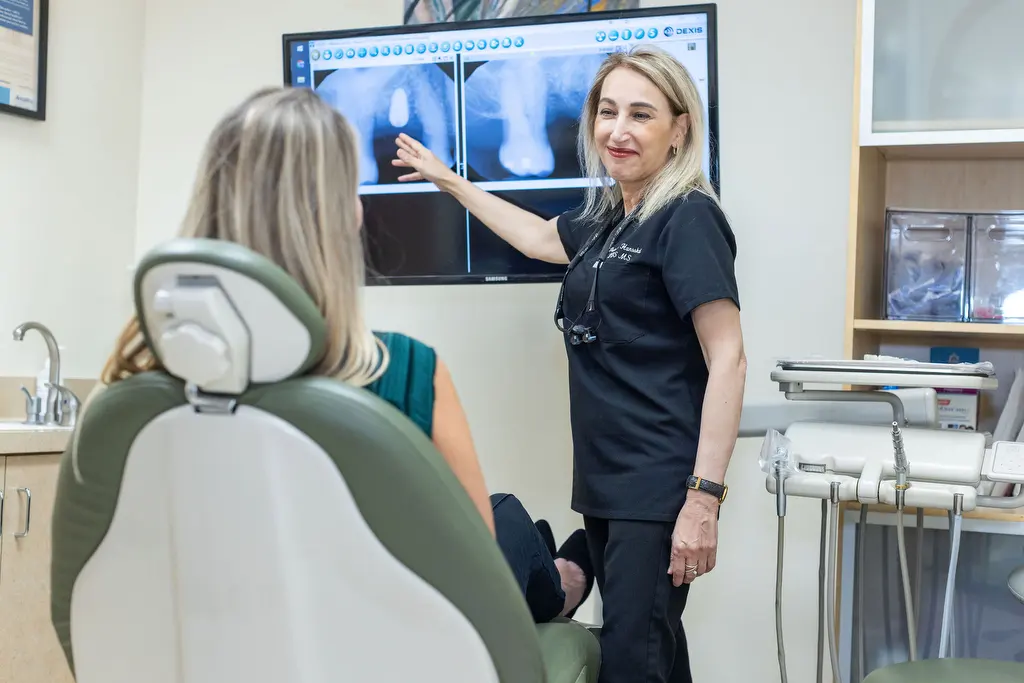
Your First Choice for Cosmetic Dentistry
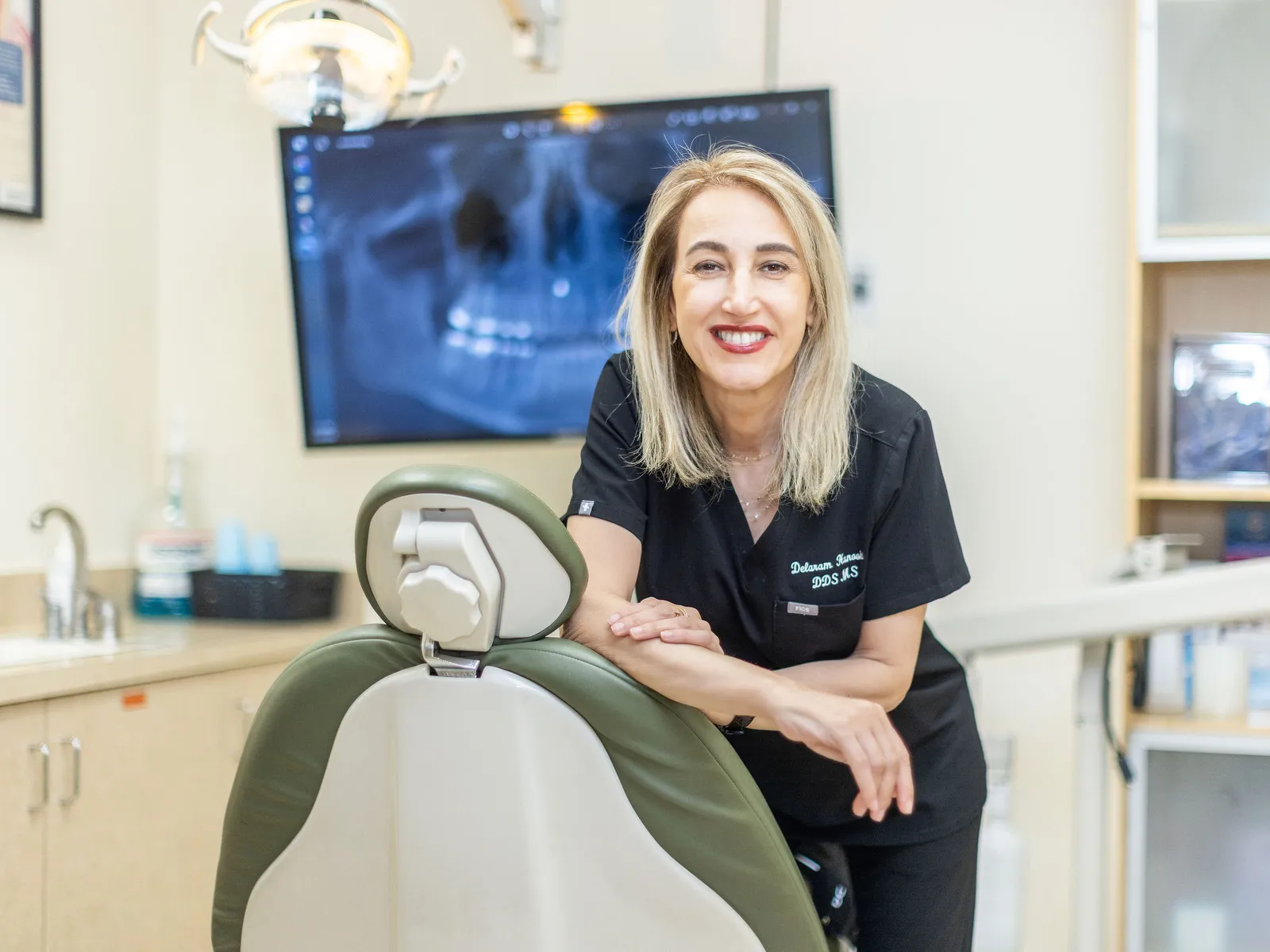
Why Ridge Preservation Matters
After a tooth is removed, the surrounding bone and soft tissue begin to shrink due to lack of stimulation from the tooth root. This natural process can lead to jawbone loss, changes in facial structure, and difficulty placing dental implants in the future.
Ridge preservation helps maintain bone volume and structure immediately after extraction, reducing the risk of collapse and protecting your long-term oral health.
Common Causes of Tooth Loss
- Gum disease
- Severe infection or decay
- Dental trauma or injury
- Inadequate oral hygiene
Reasons for Ridge Preservation
- Stabilize bone following tooth extraction
- Preserve natural jaw contours
- Reduce the need for extensive grafting later
- Prepare the site for dental implants
- Maintain a natural-looking smile
How the Procedure Works
Immediately after tooth removal, the empty socket is filled with a bone grafting material. This material supports the surrounding tissue and helps stimulate natural bone regeneration. The site is then protected with a small absorbable membrane or sutures to stabilize the graft.
Over time, the graft integrates and is gradually replaced by your body’s natural bone. In many cases, dental implants can be placed within four to twelve months for optimal long-term support and stability.
At Southland Dental Care, ridge preservation is carefully performed to protect your jawbone and expand your future treatment options.

Ridge Preservation FAQ
- Is ridge preservation necessary after every extraction?
- Not always, but it is often recommended when future dental implant placement is planned or when preserving bone volume is important.
- Is the procedure painful?
- Ridge preservation is performed with local anesthesia during the extraction procedure. Most patients experience mild discomfort similar to a standard extraction.
- How long does healing take?
- Initial healing occurs within a few weeks, while full bone regeneration may take several months before implant placement.
- Can ridge preservation prevent bone loss completely?
- While it significantly reduces bone shrinkage, natural remodeling still occurs. The procedure greatly improves the chances of maintaining adequate bone volume.
- When can dental implants be placed after ridge preservation?
- Implants are typically placed four to twelve months after extraction, depending on healing and bone integration.
- What happens if I do not preserve the ridge?
- Without ridge preservation, the jawbone may shrink, potentially requiring more extensive grafting procedures later.
- Is the graft permanent?
- The graft material is gradually replaced by your own natural bone during the healing process.
- Who is a good candidate?
- Patients planning future tooth replacement or those wanting to preserve bone structure after extraction are strong candidates.
