
Restorative Dentistry
Dental Bridges
Fill the gap of missing teeth with a natural-looking restoration that restores everyday function.
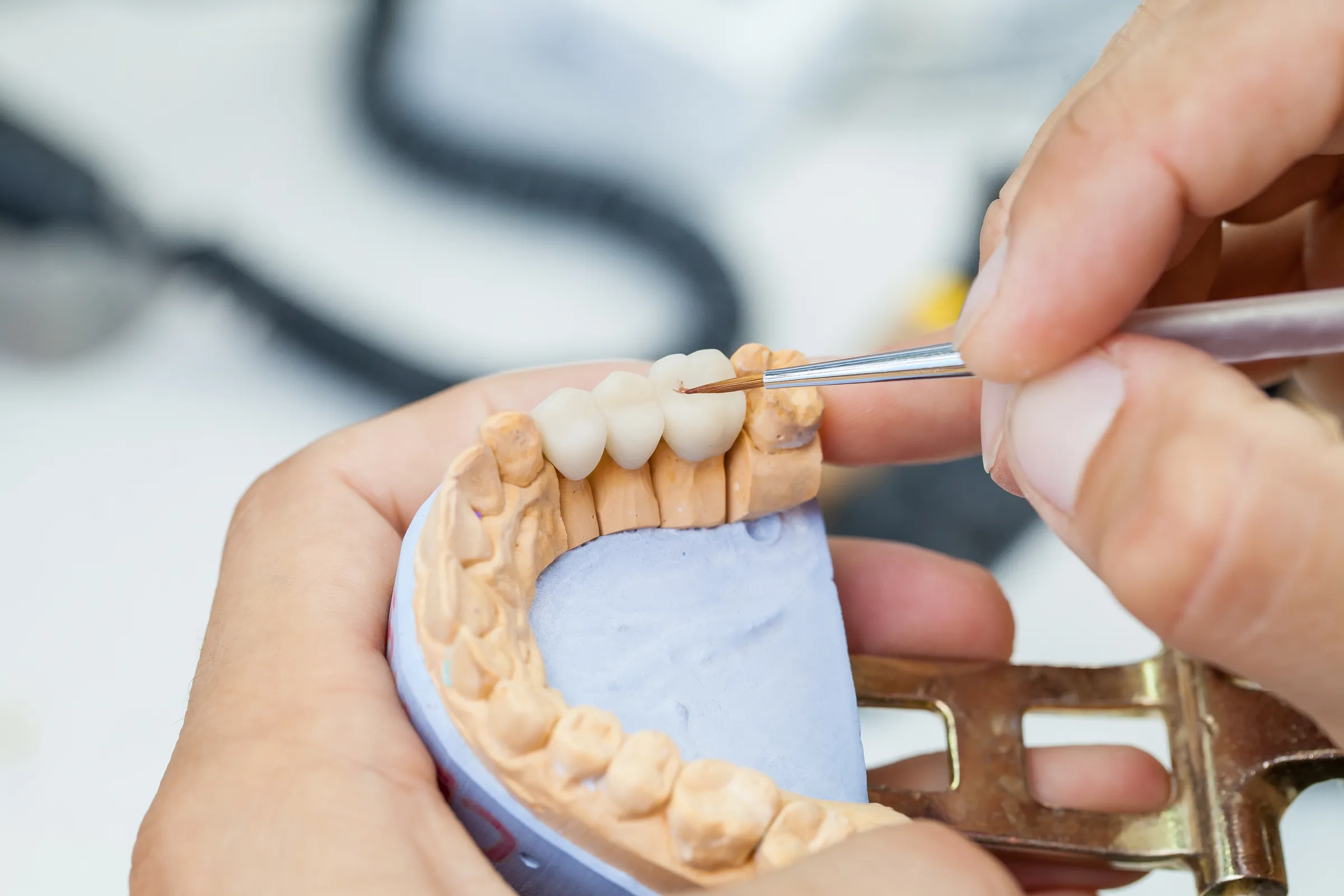
Dental bridges replace one or more missing teeth by “bridging” the space with a custom restoration supported by neighboring teeth or implants. Bridges help restore chewing ability, speech clarity, and a complete, confident smile.

Your First Choice for Cosmetic Dentistry
We Can Fill the Gap
Missing teeth can affect more than appearance—they can change how you chew, speak, and how surrounding teeth fit together. A dental bridge is a reliable option to replace missing teeth and help prevent shifting, bite changes, and uneven wear.
While dental implants are often considered a modern solution, bridges remain an effective treatment for many patients. Your health history, bite, and the condition of surrounding teeth all play a role in determining whether a bridge is the best option.
How Dental Bridges Work
A bridge uses the support of adjacent teeth (or implants) to hold a replacement tooth securely in place. The restoration is designed to blend with natural teeth in shape, shade, and alignment so it looks and feels comfortable.
- Support teeth are prepared Neighboring teeth may be shaped to support the bridge.
- A custom bridge is created Porcelain (or porcelain-fused materials) are shaped to match your smile.
- The bridge is secured The bridge is bonded or attached to restore stability and function.
Benefits of Dental Bridges
- Restores form and function Helps you chew comfortably and speak clearly.
- Natural-looking results Porcelain can be crafted to closely mimic natural teeth.
- Prevents shifting Helps keep surrounding teeth from drifting into open spaces.
- Supports bite stability Reduces uneven wear and helps maintain alignment.
- Easy to maintain Bridges are cared for with routine brushing, flossing, and professional cleanings.
Who May Be a Candidate?
Bridges can be a good option when the supporting teeth are healthy enough to hold the restoration and the bite forces can be managed predictably. In certain cases, a bridge may be considered when implants are not the best fit due to medical factors or personal preferences.
- One or more missing teeth in a row
- Healthy neighboring teeth that can support a bridge
- Desire for a fixed (non-removable) tooth replacement
- Need to restore chewing and appearance efficiently
Aftercare and Follow-Up
Dental bridges require the same consistent care as natural teeth. Regular checkups help monitor the bridge, supporting teeth, and gum health. A follow-up visit may be recommended to ensure the bridge fits comfortably and your bite is balanced.
At Southland Dental Care, dental bridges are customized to restore your smile’s comfort, stability, and natural appearance.
Dental Bridges FAQ
- What is a dental bridge?
- A dental bridge is a fixed restoration that replaces missing teeth by anchoring a replacement tooth (or teeth) to neighboring teeth or dental implants.
- How long do dental bridges last?
- With proper home care and regular dental visits, bridges can last many years. Longevity depends on oral hygiene, bite forces, and the health of supporting teeth.
- Do bridges look natural?
- Yes. Porcelain bridges are designed to match your natural tooth color and shape for a seamless appearance.
- Are dental bridges removable?
- Most dental bridges are fixed and are not removed at home. They are designed to function like natural teeth.
- How do I clean under a bridge?
- Special flossing tools and interdental cleaners help keep the area beneath the bridge clean. Your care team can show you the best technique.
- Is a bridge better than an implant?
- Both are effective options. Implants replace the tooth root, while bridges rely on support from adjacent teeth or implants. A consultation helps determine what fits your needs.
- Will getting a bridge hurt?
- Treatment is performed with comfort measures. Most patients report the process is manageable and similar to receiving a crown.
- What happens if I don’t replace a missing tooth?
- Teeth may shift, bite forces can change, and surrounding teeth may wear unevenly. Replacing missing teeth helps maintain stability and function.
