
Periodontal & Gum Health Care
Gum Recession Treatment
Restore a healthy gum line, protect exposed roots, and prevent further damage.
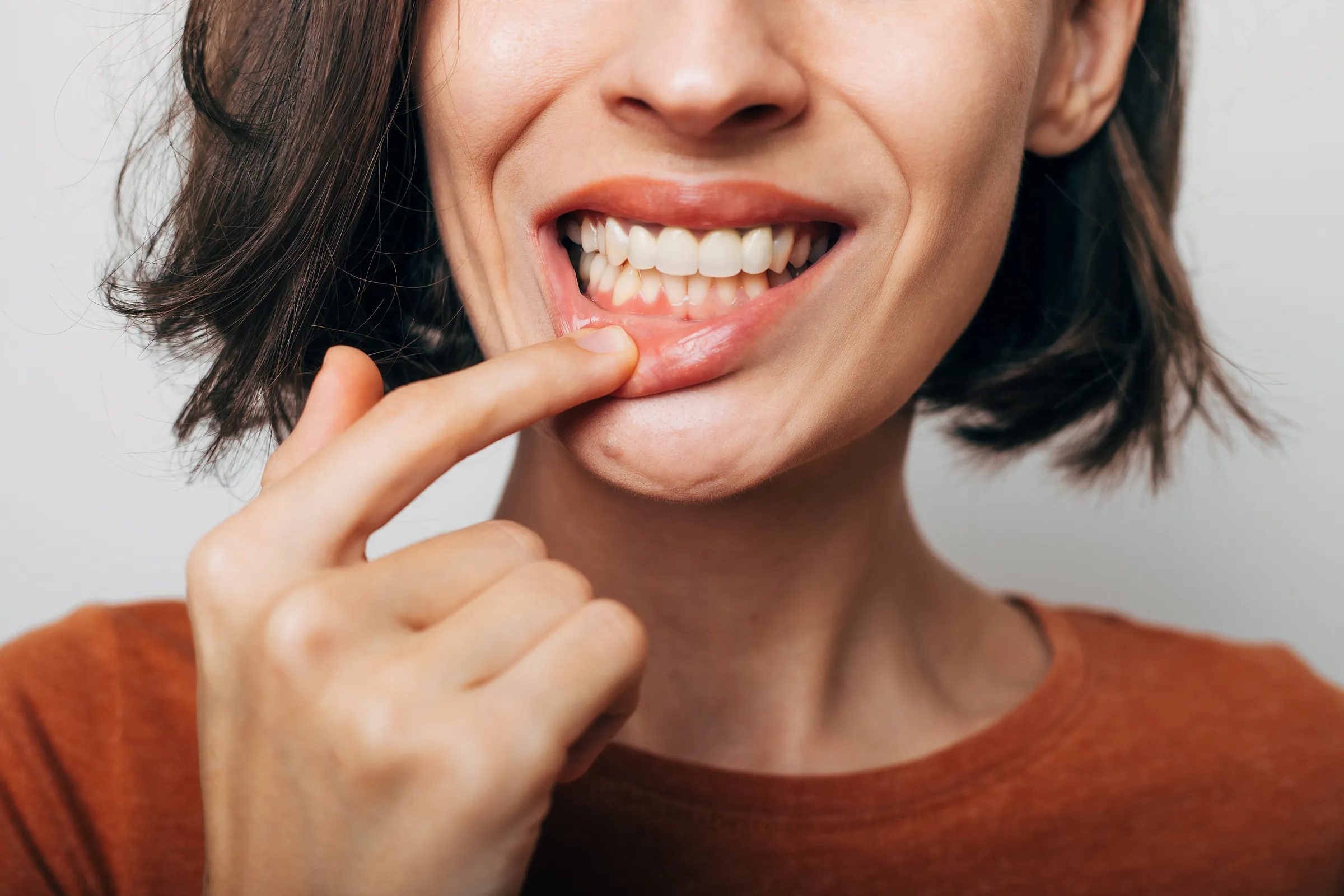
Gum recession occurs when the gum tissue pulls away from the teeth, exposing more of the tooth surface or root. Early treatment is important to reduce sensitivity, protect against infection, and prevent progressive bone or tooth loss.
Your First Choice for Cosmetic Dentistry
What Is Gum Recession?
Gum recession happens gradually as the gum tissue surrounding the teeth wears away or pulls back. When roots become exposed, teeth may appear longer and become more sensitive. Recession can create spaces where bacteria collect, increasing the risk of gum disease and structural damage if left untreated.
Common Causes of Gum Recession
- Gum disease The leading cause of gum tissue and bone loss.
- Aggressive brushing Brushing too hard or using a hard-bristled toothbrush.
- Teeth grinding or clenching Excessive pressure on supporting structures.
- Hormonal changes Increased gum sensitivity during certain life stages.
- Insufficient dental care Plaque buildup contributing to inflammation.
- Genetic predisposition Naturally thinner gum tissue in some individuals.
Signs of Receding Gums
- Teeth that appear longer than others
- Tooth sensitivity, especially to hot or cold
- Visible tooth roots
- Loose teeth
- Inflamed or tender gums
Why Treatment Matters
Even mild gum recession can lead to progressive bone loss and ongoing deterioration if ignored. When recession is linked to gum disease, infection can spread beneath the gum line and compromise tooth stability. Addressing the condition early helps preserve both esthetics and function.
Treatment Options
Treatment depends on the cause and severity of recession. Options may include:
- Scaling and root planing to control infection
- Gum grafting procedures to restore lost tissue
- Pinhole or minimally invasive surgical techniques
- Occlusal adjustment or night guards for grinding
- Personalized oral hygiene guidance to prevent progression
At Southland Dental Care, each treatment plan is customized to restore a balanced gum line and support long-term periodontal stability.

Gum Recession Treatment FAQ
- Can gum recession grow back on its own?
- Receded gum tissue does not typically regenerate naturally. Professional treatment is often necessary to restore or stabilize the area.
- Is gum grafting painful?
- Gum grafting is performed with local anesthesia, and sedation options may be available. Most patients experience manageable discomfort during recovery.
- Does gum recession always mean I have gum disease?
- Not always. While gum disease is the most common cause, aggressive brushing, grinding, and genetics can also contribute.
- How do I prevent further gum recession?
- Gentle brushing techniques, regular professional cleanings, and addressing grinding or bite issues can help slow progression.
- Are exposed roots dangerous?
- Exposed roots are more vulnerable to decay and sensitivity. Prompt treatment reduces the risk of complications.
- How long does recovery take after gum grafting?
- Initial healing typically occurs within a few weeks, though complete tissue integration may take longer depending on the procedure.
- Is treatment covered by insurance?
- Coverage varies by plan and diagnosis. Our team can help review benefits and explain available options.
- When should I schedule an evaluation?
- If you notice longer-looking teeth, increased sensitivity, or visible root surfaces, a periodontal evaluation is recommended.
