
Oral Surgery & Preventive Care
Wisdom Teeth Extraction
Relieve discomfort, prevent complications, and protect neighboring teeth.
Wisdom teeth removal is a common oral surgery procedure recommended when third molars become impacted, infected, or crowd surrounding teeth. Early evaluation and treatment help prevent pain, cyst formation, and long-term damage to adjacent structures.
Your First Choice for Cosmetic Dentistry
What Are Wisdom Teeth?
Wisdom teeth, also known as third molars, are the last set of teeth to develop—typically emerging between the ages of 17 and 25. Because the modern jaw often does not have enough room to accommodate them, wisdom teeth may become impacted or partially erupted, increasing the risk of infection and crowding.
Do We Need Wisdom Teeth?
In most cases, wisdom teeth are not essential for chewing or daily function. Their location at the very back of the mouth makes them difficult to clean properly, which can compromise oral hygiene and increase the risk of decay or gum disease affecting nearby molars.
Why Wisdom Teeth Are Removed
- Prevent damage to neighboring teeth Impacted molars can push against adjacent roots and cause misalignment.
- Reduce risk of infection Partially erupted teeth trap bacteria and debris.
- Prevent cyst formation Fluid-filled sacs can develop around impacted teeth and damage bone.
- Protect long-term oral health Early removal may prevent more complex surgery later.
When Should Wisdom Teeth Be Removed?
Wisdom teeth are often easier to remove in younger patients, as bone is typically softer and roots are less fully developed. As patients age, removal may become more complex due to denser bone and fully formed roots near important nerves.
- Pain or swelling in the back of the mouth
- Jaw stiffness or difficulty opening
- Frequent infections around the molars
- Crowding of existing teeth
What Happens During Surgery?
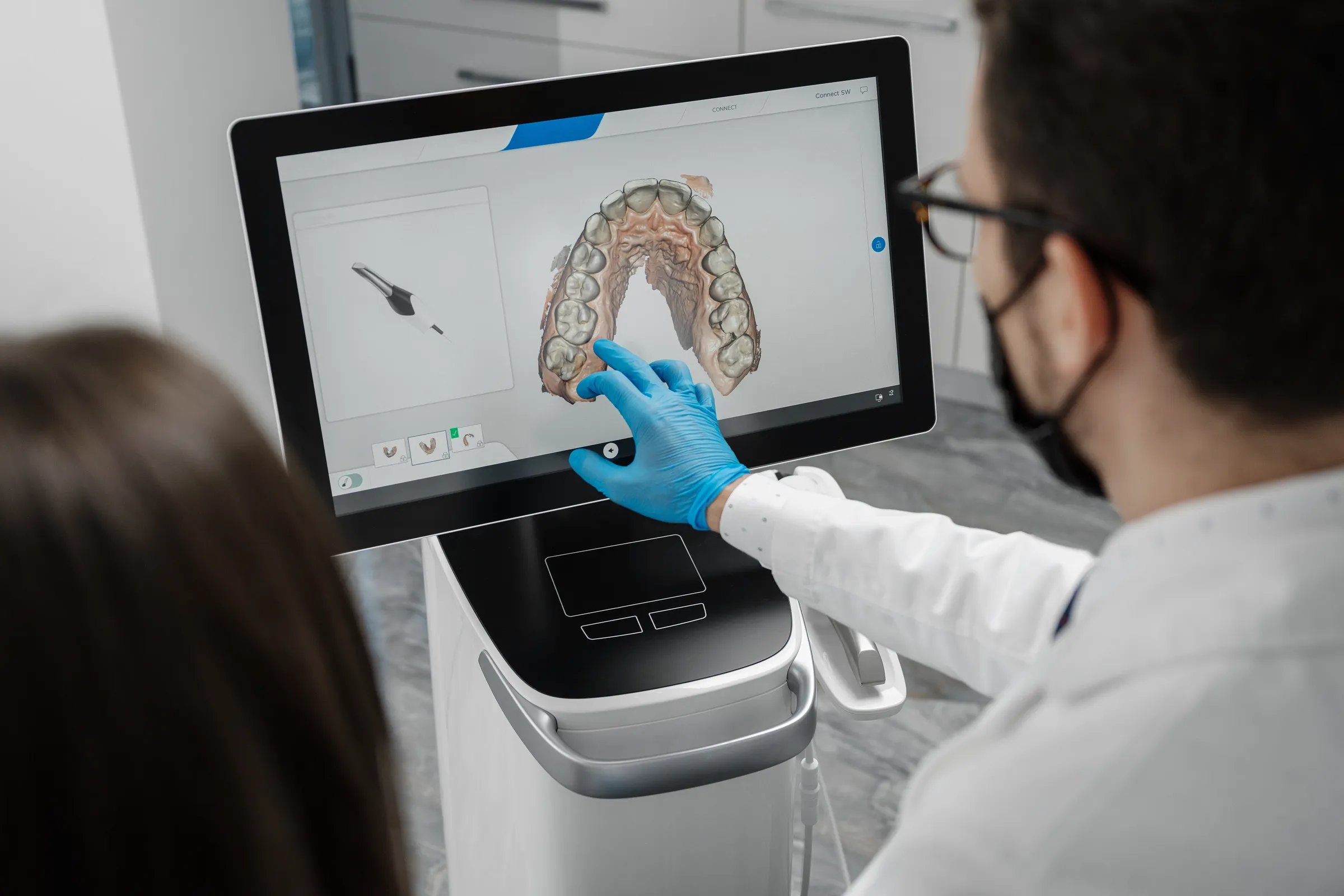
Before surgery, a thorough evaluation and imaging help determine tooth position and root development. The procedure is performed under local anesthesia, and sedation options may be available for additional comfort. The complexity of removal depends on how the tooth is positioned and whether it is impacted.
What to Expect After Surgery
Mild swelling and discomfort are normal parts of healing. Cold compresses and prescribed medication may be recommended to manage symptoms. Soft foods are typically advised during early recovery, and normal eating habits can gradually resume as healing progresses.
At Southland Dental Care, wisdom teeth extraction is carefully planned to promote comfort, efficient healing, and long-term oral health.

Wisdom Teeth Extraction FAQ
- Is wisdom teeth removal painful?
- The procedure is performed with anesthesia to maintain comfort. Mild soreness afterward is common and manageable.
- How long does recovery take?
- Initial healing typically occurs within one to two weeks, though full tissue healing may take longer.
- Do all wisdom teeth need to be removed?
- Not always. Removal is recommended when teeth are impacted, infected, causing crowding, or at risk of future complications.
- What is an impacted wisdom tooth?
- An impacted tooth is one that cannot fully erupt due to lack of space or obstruction by bone or other teeth.
- Can wisdom teeth cause cysts?
- Yes. In some cases, fluid-filled sacs can form around impacted teeth and damage surrounding bone and tissue.
- Are there risks to waiting?
- Delaying removal may increase the risk of infection, decay, bone damage, or more complex surgery later.
- Will I need stitches?
- In many cases, dissolvable sutures are placed to support healing after removal.
- When can I return to normal activities?
- Most patients resume light activities within a few days, depending on individual healing and the complexity of the procedure.
