
What Are Full Mouth Dental Implants?
January 11, 2026
Missing teeth can hit your confidence hard. They can also change how you eat and speak. The good news is simple. Modern dentistry gives you more than one way to rebuild a smile. One option stands out for strength and stability: dental implants.
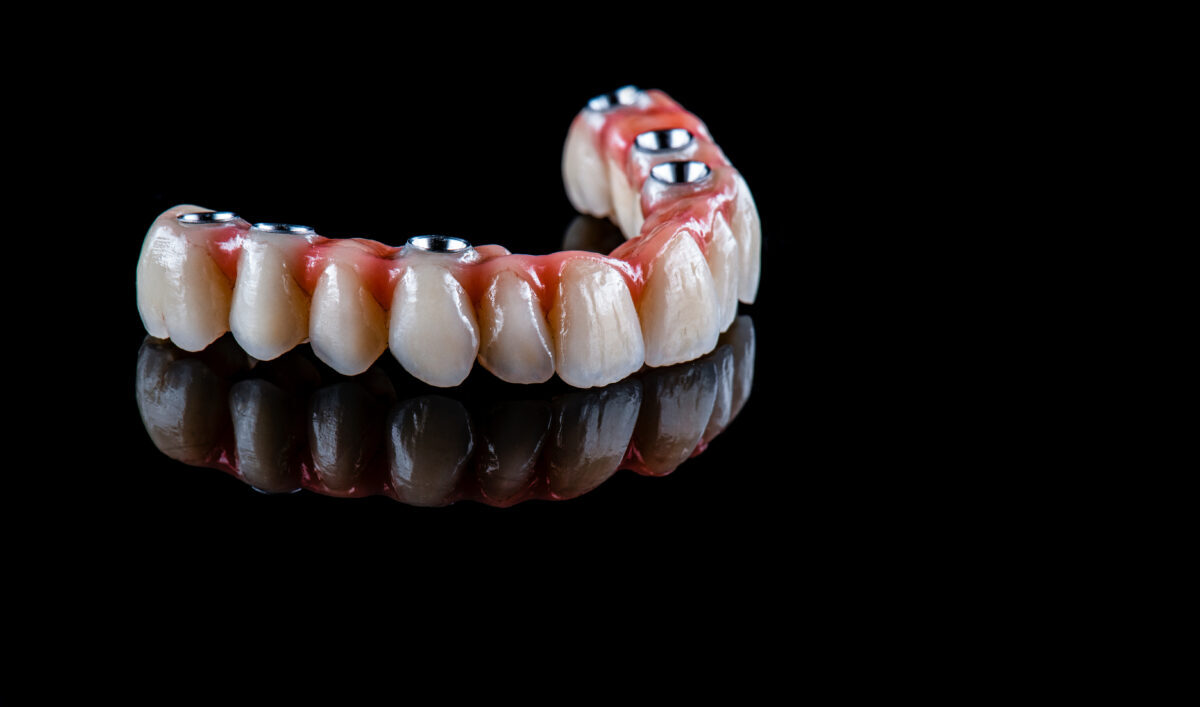
Full mouth dental implants are a treatment option that replaces an entire set of missing teeth using dental implants placed in the jawbone. These implants support a fixed set of replacement teeth, creating a stable and natural-looking full arch. Many people also call this treatment full arch dental implants or implant-supported teeth.
A Comprehensive Guide to Restoring Your Smile and Oral Health
Dental implants are small titanium posts that replace the root of a missing tooth.
A dentist places them in the jawbone. The bone bonds to the implant over time.
Then the dentist attaches replacement teeth that look natural and feel secure.
People often use implants for one missing tooth. Patients also use implants to restore an entire arch.
When implants support a full set of teeth, we call them full mouth dental implants or full arch dental implants.
Many patients also call them implant-supported full dentures or permanent teeth on implants.
Whole Set of Teeth Implants: What Types of Full Mouth Dental Implants Are Available?
Full arch implant treatment usually follows one of two approaches: All-on-4 or All-on-6.
The difference is straightforward. All-on-4 uses four implants to support one arch.
All-on-6 uses six implants to support one arch.
Both options can beat traditional dentures in stability. They can also improve comfort when you chew.
Many patients like the secure feel. Many also like the natural look.
Full Jaw Implants: All-on-4 Versus All-on-6
Both options can restore function and improve your smile. The best choice depends on your mouth.
Your dentist looks at bone quality, bite forces, and how many teeth you lost.
Some patients benefit from extra support across the arch. Others do great with fewer implants.
Bone support matters for every implant case. Your jaw must hold implants firmly.
If you have gum disease or bone loss, your dentist should address it first.
Learn more about tooth loss and bone loss here:
periodontal disease and bone support.
What to Expect When Getting Full Mouth Dental Implants
Each patient has a custom plan. Most full arch implant cases follow a clear sequence.
Here is the typical flow.
Step 1: Imaging and Planning
Your dentist takes x-rays and scans. The goal is precision.
Your dentist checks bone density and maps implant placement.
Your dentist may also take impressions to design your new teeth.
Step 2: Implant Placement
Your dentist numbs the area and places the implants in the jawbone.
The implant site needs time to heal.
The bone bonds to the implant during a process called osseointegration.
This step builds long-term stability.
Step 3: Final Teeth Attachment
After healing, your dentist attaches abutments and fits the final restoration.
Your dental lab designs teeth that match your smile goals.
Your dentist adjusts the bite so your teeth feel balanced and comfortable.
What Are the Benefits of Full Mouth Dental Implants?
- Better bite strength and chewing comfort
- Improved speech clarity
- Strong support that feels secure
- Improved oral health habits and easier daily function
- A smile that looks natural
- More confidence in social settings
How to Care for Full Mouth Dental Implants
Good care protects your investment. It also protects your gums.
Brush twice per day. Floss every day.
Clean around the gumline and around the implant bridge.
Many patients like interdental brushes. They slide between teeth and help remove trapped food.
You can also use a water flosser if your dentist recommends it.
Avoid Poor Oral Habits
Smoking increases implant risk. Hard chewing habits can also damage restorations.
Avoid chewing ice and hard candy. Use a nightguard if you grind your teeth.
Schedule Regular Checkups
Regular visits keep implants healthy. Your dentist checks gum health, bite forces, and cleanliness.
Professional cleanings help you protect the tissues around implants.
Are Full Mouth Dental Implants Right for You?
A consultation answers that question fast.
If you live near Los Angeles, schedule a visit with Southland Dental Care.
We will review your goals and your health. We will explain your options in plain English.
If you want details about pricing, financing, and what affects treatment fees, use our dedicated page here:
see pricing and financing options for full mouth dental implants.
(We keep cost information on that page to avoid overlap and confusion.)
Ready to talk with a dentist?
Schedule a free consultation.
Full Mouth Dental Implants FAQs
What does “full mouth dental implants” mean?
It means implants support a full set of replacement teeth. Many patients restore one arch or both arches.
The implants anchor the teeth so they feel secure.
Are full arch dental implants the same as All-on-4?
All-on-4 is one type of full arch dental implant approach. It uses four implants to support an arch.
Another common approach is All-on-6, which uses six implants.
How long do full mouth dental implants last?
Implants can last many years with good home care and regular dental visits.
Gum health, bite habits, and smoking status all play a role.
Do full mouth implants feel like real teeth?
Many patients say they feel close to natural teeth.
Implants can give a stable bite and help you chew with more confidence than removable dentures.
Do I need enough bone for full mouth dental implants?
Yes. Your dentist checks bone density and volume during your exam.
If you have bone loss, your dentist will explain options to rebuild support.
You can also learn more here:
tooth loss and bone loss.
How many implants do you need for a full arch?
Many full arch plans use four or six implants per arch.
Your dentist chooses the number based on your bone, bite forces, and treatment goals.
